Sachet Scourge

Understanding the Single-Use Plastic Crisis in the Philippines

Every day, 163 million plastic sachets flood the Philippines. It's time to understand and act on this environmental crisis.

Explore the Crisis
0 Million sachets daily
0 % ends up in ocean
0 % increase by 2040

What are Single-Use Plastics?

Single-use plastics (SUPs) are products that are used only once before being thrown away, leading to significant environmental pollution. In the Philippines, sachets are the most common form of SUPs, used for everything from shampoo to coffee.

πŸ“¦ Sachets for everyday products
♻️ Used once, pollutes forever
🌊 Major ocean pollutant
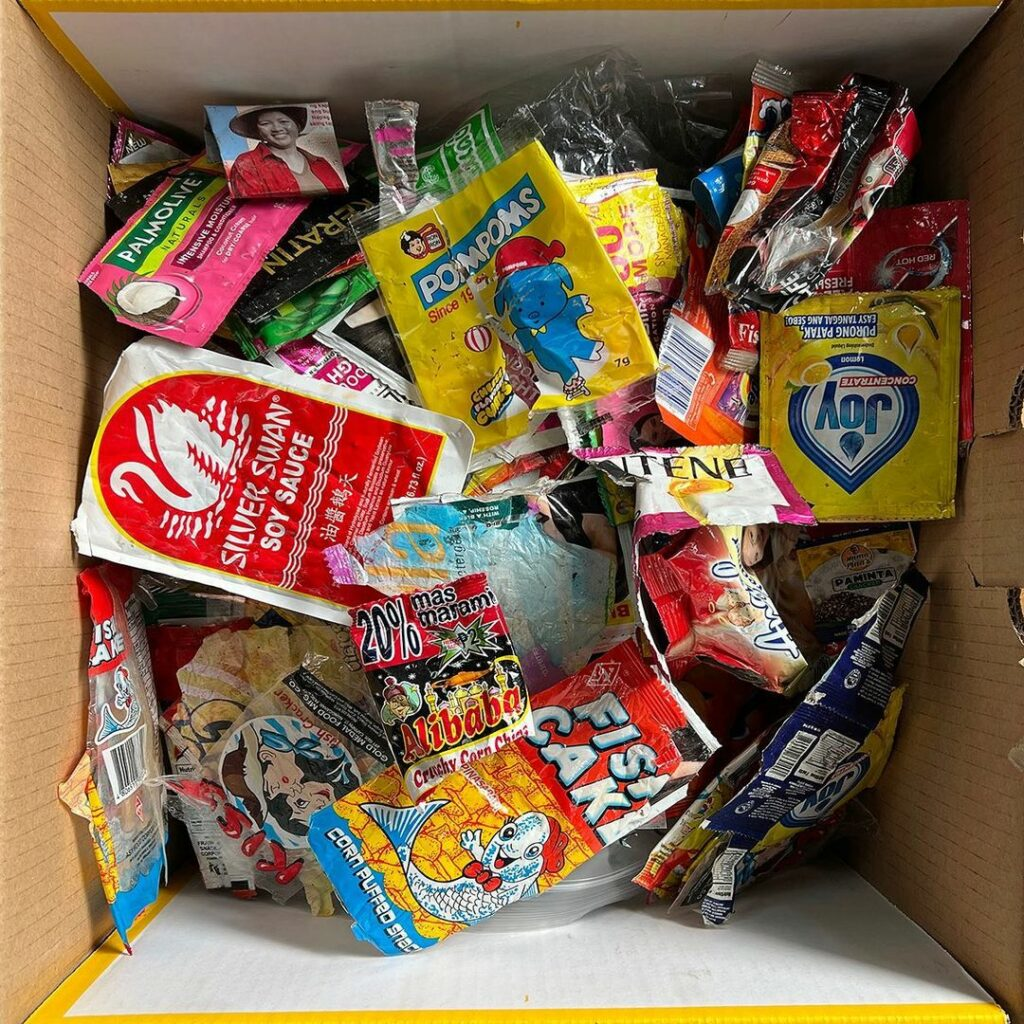
Collection of plastic sachets showing various brands and products

A typical collection of plastic sachets used daily in Filipino households

Why is this happening?

πŸ’°

Sachet Economy & Poverty

Widespread use of sachet economy due to poverty - people buy small quantities they can afford

  • Low-income families prefer affordable small portions
  • Sachets cost less upfront than bulk purchases
  • Limited storage space in urban poor communities
πŸ—οΈ

Poor Infrastructure

Inadequate waste management infrastructure and poor law enforcement

  • Insufficient waste collection systems
  • Limited recycling facilities
  • Weak enforcement of environmental laws
πŸ“š

Lack of Awareness

Limited public awareness regarding proper waste segregation and environmental impact

  • Poor understanding of environmental consequences
  • Inadequate education on waste segregation
  • Limited access to sustainable alternatives

Current Crisis Scale

163 million

sachets used daily in Philippines

Every single day, Filipinos consume 163 million plastic sachets

20 %

of plastic waste ends up in ocean

One-fifth of all plastic waste generated finds its way into marine environments

2040 year

waste could nearly double

Without action, mismanaged plastic waste could increase by 95% by 2040

Quantitative Analysis

Daily Sachet Consumption

Daily sachet usage chart showing 163 million sachets consumed daily

Plastic Waste Distribution

Pie chart showing 20% of plastic waste ends up in ocean

Projected Waste Growth

Line chart showing projected increase in plastic waste by 2040
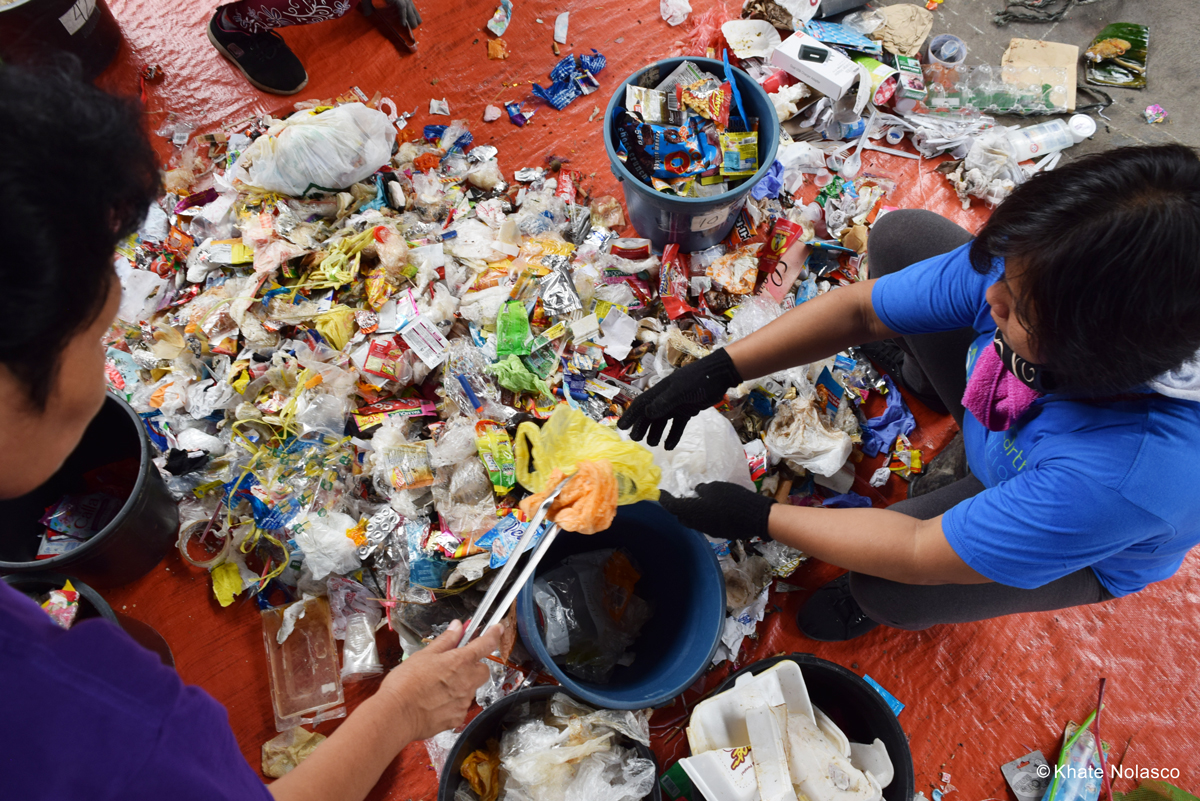
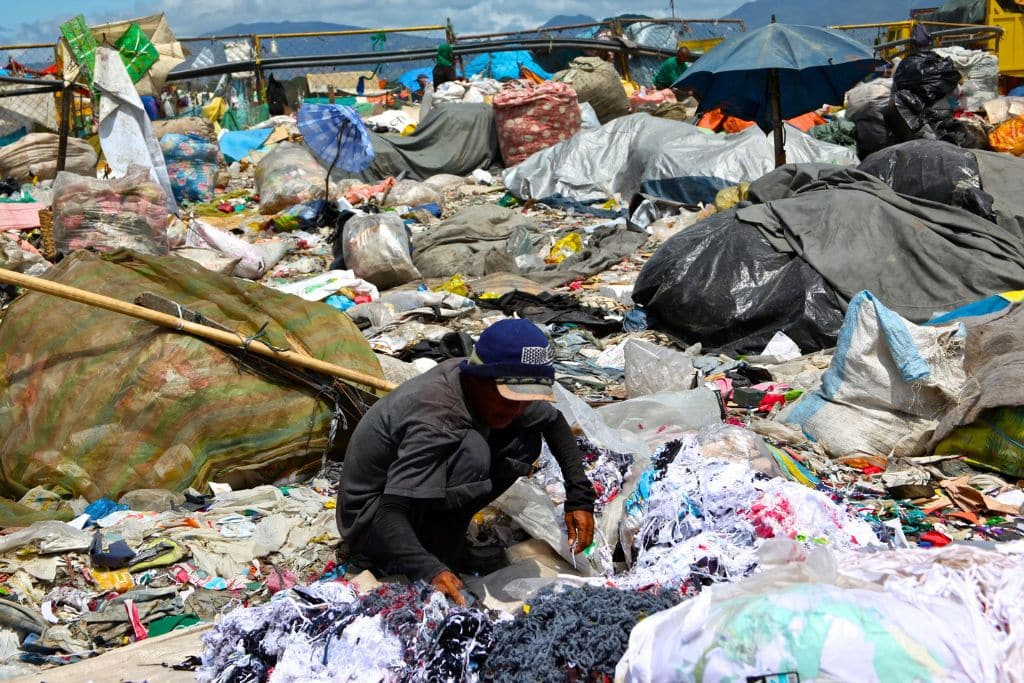
People sorting plastic waste

Community volunteers sorting through collected sachet waste for recycling

Environmental & Health Impact

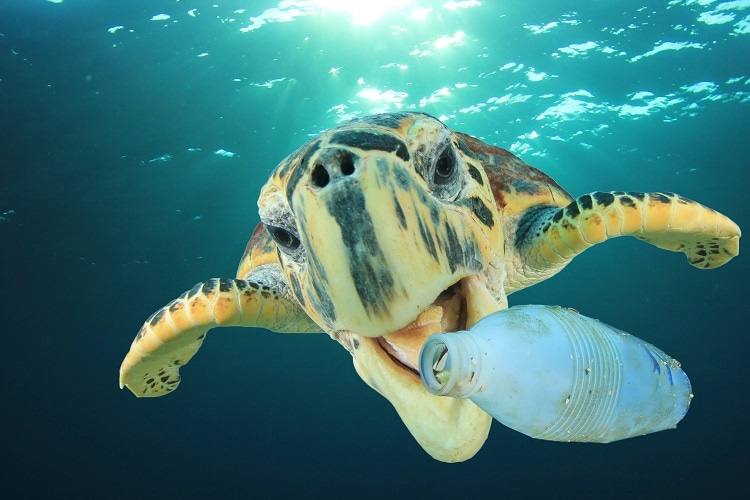
Sea turtle with plastic pollution
🐒

Marine Life Destruction

Marine animals ingest or get entangled in plastic debris, often leading to death. Sea turtles, fish, and seabirds mistake plastic for food.

100,000+ marine animals die annually
⚠️

Human Health Risks

Microplastics enter the food chain through contaminated seafood, posing health risks to humans who consume affected marine life.

Microplastics found in 90% of salt brands
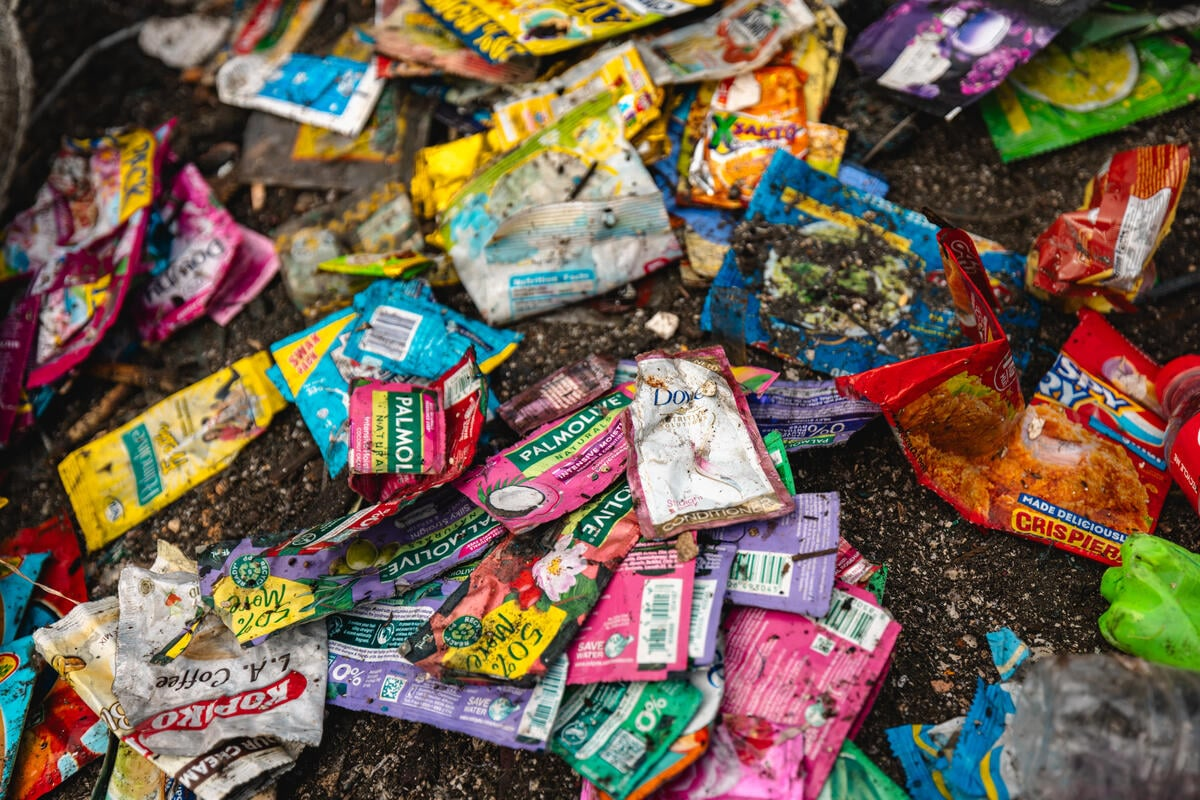
Discarded plastic sachets on street
Landfill with plastic waste
🌊

Infrastructure Damage

Plastic waste clogs drainage systems, worsening flooding during typhoons and heavy rains, affecting entire communities.

Metro Manila floods worsen by 40% due to plastic blockage

Innovative Solutions

♻️

Refill Systems

Zero waste stores and refilling stations allow consumers to bring reusable containers, reducing sachet dependency

Cost Savings: 201% vs sachets 50,000+ sachets avoided
🌱

Alternative Materials

Development of corn husk and chicken feather packaging as biodegradable alternatives to plastic sachets

100% Biodegradable Local Materials
πŸ“œ

Extended Producer Responsibility

Legislation requiring companies to take responsibility for their packaging throughout its lifecycle

Corporate Accountability Waste Reduction Incentives
βš–οΈ

Policy & Regulation

Bans on single-use plastics and improved waste segregation requirements

Legal Framework Enforcement Mechanisms

Success Stories

Major Ports Achievement

50% reduction

Ports of Batangas, Cagayan De Oro, and Manila North Port reduced plastic waste leakage by 50%

Kuha Sa Tingi Initiative

50,000+ sachets avoided

Greenpeace refill project avoided over 50,000 sachets and saved consumers 201% vs sachet prices

Corporate Partnerships

1,300+ schools involved

Companies like NestlΓ© partnering with LGUs to collect sachets and convert them to eco-bricks

Take Action Now

Every action counts in fighting the sachet scourge. Start making a difference today.

πŸͺ

Support Zero Waste

Support Zero Waste stores and refill systems in your community

πŸ—‚οΈ

Waste Segregation

Practice proper waste segregation at home

♻️

Choose Reusables

Choose reusable containers over sachets when possible

πŸ“’

Advocate for EPR

Advocate for Extended Producer Responsibility legislation

🀝

Join Programs

Join community recycling programs

πŸŽ“

Educate Others

Educate others about the sachet problem

Ready to Make a Difference?

Take action today to reduce single-use plastic waste. Connect with organizations & initiatives working to solve the sachet crisis.

References & Supporting Information

Research Sources

  • Bradford Council. (n.d.). Single-use plastics.
  • Earth.Org. (2022). Convenient Inconvenience: Philippines' Reliance on Single-Use Plastic Sachets.
  • Earth.Org. (n.d.). Plastic Pollution in the Philippines: Causes and Solutions.
  • National Research Council of the Philippines. (n.d.). The Growing Threat of Microplastics and Plastics.

Policy & Organizations

  • Enviliance ASIA. (n.d.). Philippines, Plastic Pollution Issues.
  • Nicholas Institute. (n.d.). Plastic Pollution Policy Country Profile: Philippines.
  • Plastic Bank. (n.d.). Top 5 waste management challenges in the Philippines.
  • WWF. (2018). The scourge of single-use plastic in the Philippines.

Disclaimer

This website is a school project created to inform the public about the environmental issue of single-use plastic waste and to inspire collective action for the preservation and protection of Earth's ecosystems. The information presented is based on research and aims to spark discussion and change.